
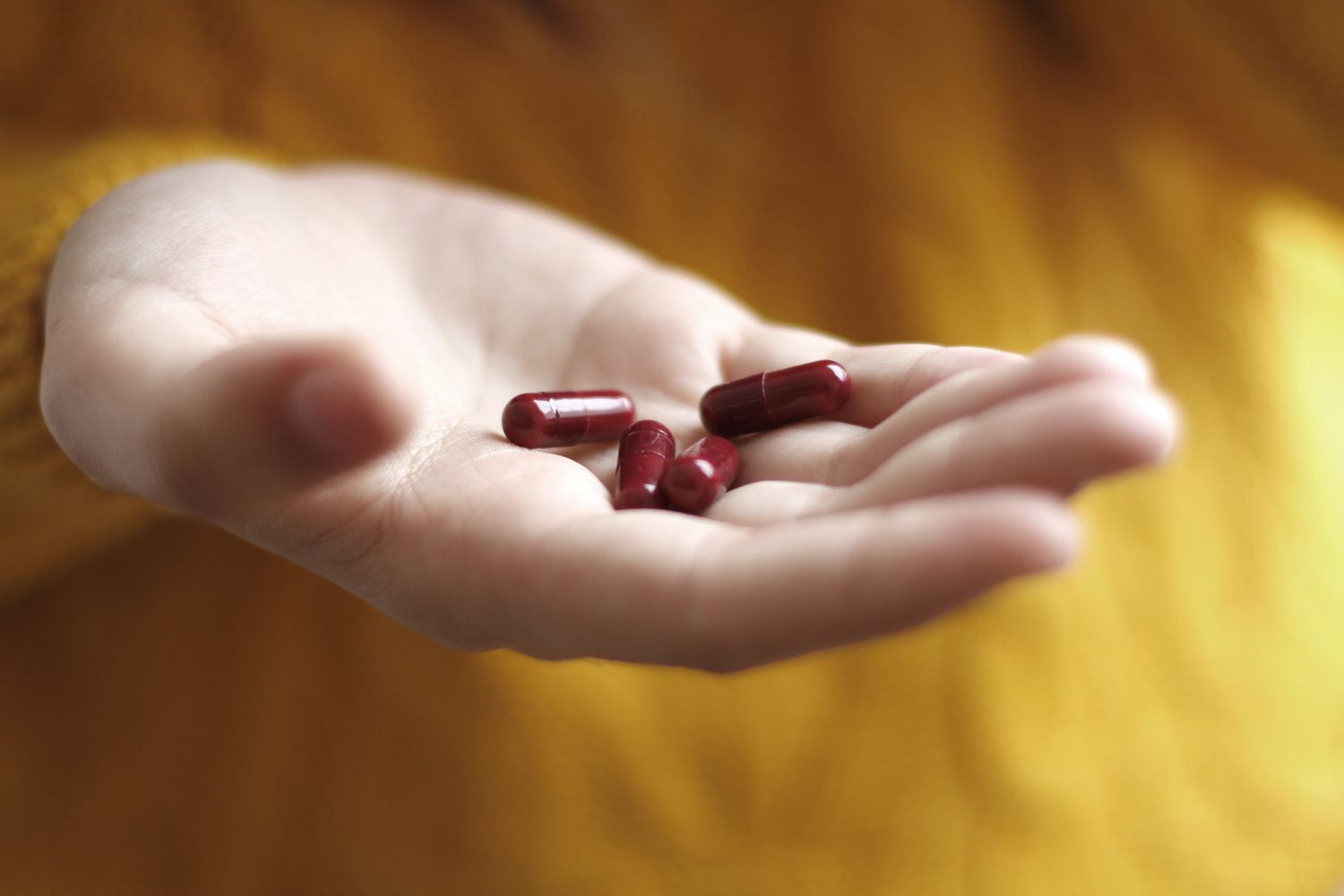
The perceived need for iron supplementation is often based on vague feelings of fatigue or general weakness, leading many individuals to self-prescribe over-the-counter pills without a definitive medical diagnosis. This tendency overlooks the fact that iron metabolism is a tightly controlled and complex biological process, and disrupting this balance can carry its own set of risks. While iron deficiency anemia is a prevalent and serious global health concern, particularly among specific populations like menstruating women and vegetarians, indiscriminately taking iron is not a benign activity. Excess iron—known as iron overload—is toxic to the body, as it generates free radicals that can damage vital organs, including the liver and heart. Consequently, the determination of whether iron supplementation is truly necessary should always be anchored by objective, verifiable blood tests that assess the body’s actual iron stores and transport capacity, moving beyond symptomatic guesswork to evidence-based intervention.
A Tightly Controlled and Complex Biological Process
Iron metabolism is a tightly controlled and complex biological process, and disrupting this balance can carry its own set of risks.
Iron is an essential micronutrient, foundational to life processes, most famously as a core component of hemoglobin in red blood cells, which is responsible for transporting oxygen from the lungs to the tissues. It also plays indispensable roles in cellular energy production (via the electron transport chain) and DNA synthesis. However, iron is unique in that the body has no physiological mechanism for actively excreting excess amounts once absorbed, making the regulation of its intake and storage absolutely critical. This regulation is primarily handled by the hormone hepcidin, produced by the liver. Hepcidin acts as the body’s iron traffic cop: high hepcidin levels reduce iron absorption from the gut, and low levels permit increased absorption. Disrupting this hepcidin-mediated equilibrium through unchecked supplementation can rapidly lead to excessive systemic iron levels, overriding the body’s natural defense mechanism against overload and initiating a dangerous, slow buildup of toxicity in critical organs.
The Definition and Scope of Iron Deficiency
Iron deficiency anemia is a prevalent and serious global health concern, particularly among specific populations like menstruating women and vegetarians.
The clinical definition of true iron deficiency extends beyond just low hemoglobin; it represents a depletion of the body’s iron stores. This is categorized across a spectrum. Iron depletion is the mildest form, where ferritin levels (the primary iron storage protein) are low, but the hemoglobin level remains normal. Iron-deficiency erythropoiesis is the intermediate stage, where ferritin is low and iron supply to the bone marrow is limited, though red blood cell formation is still functional. Finally, Iron Deficiency Anemia (IDA) is the most severe stage, characterized by low ferritin, low transferrin saturation (poor iron transport), and clinically low hemoglobin and hematocrit, resulting in visibly microcytic and hypochromic red blood cells. It is only at the stage of IDA that the patient experiences the classic, debilitating symptoms of extreme fatigue, pallor, and shortness of breath. Supplements are unequivocally necessary only when the condition reaches this diagnostic threshold, or for prophylactic use in high-risk, confirmed deficiency populations.
Objective, Verifiable Blood Tests: Beyond Symptomatic Guesswork
The determination of whether iron supplementation is truly necessary should always be anchored by objective, verifiable blood tests that assess the body’s actual iron stores and transport capacity.
Relying solely on subjective symptoms of fatigue to initiate iron therapy is a flawed practice that can mask other underlying conditions (e.g., Vitamin B12 deficiency, thyroid dysfunction) or lead directly to iron overload. The decision to supplement must be based on a panel of objective blood markers. The most crucial marker is serum ferritin, which reflects the body’s total iron stores. Low ferritin (<30 ng/mL) is the earliest and most reliable indicator of iron deficiency. Other essential tests include Transferrin Saturation (TSAT), which measures the percentage of iron-binding sites on the transferrin protein that are actually filled with iron, and the Complete Blood Count (CBC), which determines the concentration of hemoglobin. Without this specific profile of confirmed low iron stores and impaired transport, supplementation lacks a scientific basis and presents an avoidable risk.
The Risk of Iron Overload: Free Radical Generation
Excess iron—known as iron overload—is toxic to the body, as it generates free radicals that can damage vital organs, including the liver and heart.
The danger of iron overload (or hemochromatosis), whether hereditary or induced by excessive supplementation, stems from iron’s strong propensity to participate in chemical reactions that produce reactive oxygen species (free radicals). Once the body’s iron storage capacity is saturated, unbound iron accumulates in tissues. This excess iron catalyzes the formation of these highly destructive free radicals, which damage the fundamental building blocks of cells, including lipids, proteins, and DNA. Over time, this cumulative oxidative stress leads to organ dysfunction, particularly in the liver (cirrhosis, liver cancer), the heart (cardiomyopathy), and the endocrine glands (diabetes, hypogonadism). This irreversible damage is why supplementing without a confirmed, monitored need is a medically irresponsible approach.
Gastrointestinal Side Effects and Absorption Nuances
Iron supplements are notoriously associated with a range of unpleasant gastrointestinal side effects that can significantly compromise patient adherence to the prescribed regimen.
Even when iron is necessary, its oral delivery is complicated by inherent gastrointestinal side effects that can significantly compromise patient adherence to the prescribed regimen. Iron supplements are notoriously associated with nausea, abdominal cramping, and the highly common constipation or, less frequently, diarrhea. These side effects are often dose-dependent. To mitigate these issues, clinicians frequently recommend starting at a lower dose, taking the supplement with food (though this slightly impairs absorption), or utilizing a form of iron with better tolerance, such as ferrous gluconate rather than the standard ferrous sulfate. Furthermore, absorption is highly nuanced: it is significantly enhanced by Vitamin C (ascorbic acid) but is severely inhibited by calcium, antacids, coffee, tea, and high-fiber foods, all of which must be taken into account when advising a patient on how to properly take their dose.
Addressing High-Risk Groups: Prophylactic Supplementation
In certain physiologically high-demand or high-loss populations, prophylactic (preventative) iron supplementation may be justified even without a diagnosis of anemia.
While the general rule is to test before treating, in certain physiologically high-demand or high-loss populations, prophylactic (preventative) iron supplementation may be justified even without a diagnosis of anemia. The most prominent example is pregnant women, for whom increased blood volume and demands from the developing fetus create a massive iron requirement that is nearly impossible to meet through diet alone. Similarly, women experiencing heavy menstrual bleeding (menorrhagia) often have chronic, cyclical iron loss that depletes stores over time. Strict vegetarians and vegans are also high-risk because the iron in plant-based foods (non-heme iron) is poorly absorbed compared to the heme iron found in meat. For these groups, a low-dose supplement, coupled with periodic monitoring of ferritin, is a reasonable, evidence-based strategy to prevent the progression to outright anemia.
Dietary Interventions: Heme and Non-Heme Sources
Before resorting to a pill, a structured effort should be made to maximize dietary iron intake, leveraging the two distinct forms found in food.
Before resorting to a pill, a structured effort should be made to maximize dietary iron intake, leveraging the two distinct forms found in food. Heme iron, found in animal sources like red meat, poultry, and fish, is highly bioavailable and easily absorbed by the body. Non-heme iron, found in plants (lentils, spinach, fortified cereals), is less efficiently absorbed. A key dietary strategy is to combine non-heme sources with foods rich in Vitamin C (citrus fruits, bell peppers), which chemically converts non-heme iron into a more soluble, absorbable form. Furthermore, cooking in cast-iron cookware can measurably increase the iron content of foods, particularly acidic ones, offering a simple, passive method of boosting intake without the need for supplements.
The Distinctive Case of Anemia of Chronic Disease (ACD)
Supplementing with oral iron can be not only ineffective but potentially counterproductive in patients with Anemia of Chronic Disease (ACD).
A critical diagnostic nuance often missed in self-diagnosis is the difference between IDA and Anemia of Chronic Disease (ACD), sometimes called anemia of inflammation. Supplementing with oral iron can be not only ineffective but potentially counterproductive in patients with ACD. In ACD, which is common in individuals with rheumatoid arthritis, lupus, cancer, or advanced kidney disease, the body’s iron stores are actually adequate or even high. However, the persistent inflammation causes high levels of the regulatory hormone hepcidin, which effectively locks the iron away in storage cells, preventing its release for use by the bone marrow to make red blood cells. The body does this as a defense mechanism, trying to starve potential pathogens of iron. Giving oral iron in this scenario simply increases the non-usable stored iron, exacerbating the risk of overload without treating the underlying anemia.
Intravenous Iron: Bypassing the Absorption Barrier
For patients who cannot tolerate oral iron, suffer from severe malabsorption disorders, or have ACD refractory to other treatments, intravenous (IV) iron administration becomes the necessary therapeutic alternative.
For a subset of patients who have confirmed IDA but who cannot tolerate the severe gastrointestinal side effects of oral iron, suffer from severe malabsorption disorders (e.g., post-bariatric surgery, Crohn’s disease), or have ACD refractory to other treatments, intravenous (IV) iron administration becomes the necessary therapeutic alternative. IV iron bypasses the entire digestive tract and is delivered directly into the bloodstream, where it is readily available for hemoglobin production. While this method carries a small, acute risk of infusion reactions, it allows the clinician to deliver a full dose of iron necessary to completely replenish stores in a single or a few sessions, offering a rapid, highly effective solution for severe anemia that is often preferable to months of poorly tolerated and inadequately absorbed oral pills.
Monitoring for Compliance and Response
The iron treatment process, regardless of the form used, requires strict physician oversight to ensure both clinical response and patient safety.
The iron treatment process, regardless of the form used, requires strict physician oversight to ensure both clinical response and patient safety. Once supplementation begins, the patient must be monitored with follow-up blood tests, typically within 4 to 6 weeks, to verify that the hemoglobin and ferritin levels are rising as expected. A lack of response suggests either poor patient compliance, a hidden malabsorption issue (requiring a switch to IV iron), or the presence of an ongoing, unidentified source of bleeding (requiring further GI investigation). The clinician must also ensure that once the target ferritin level is reached (often above 50-100 ng/mL), the supplement is either stopped or reduced to a low maintenance dose to prevent the inevitable progression from correction to dangerous overload.