
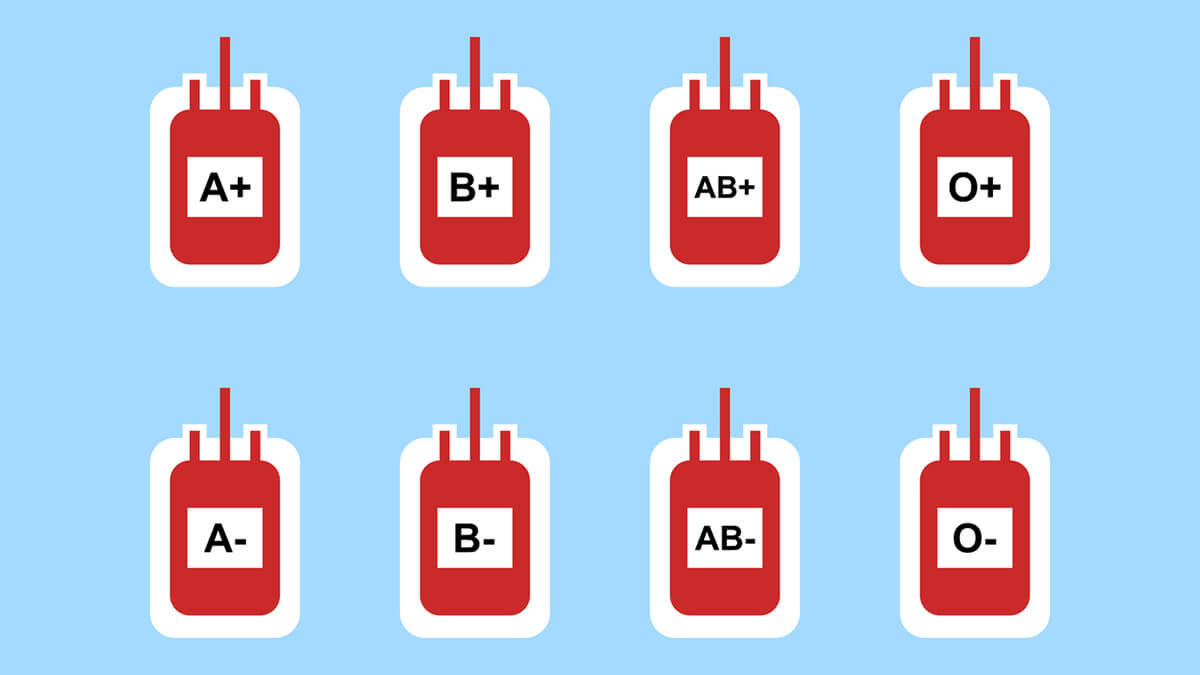
Many people first hear about the Rh factor during a routine blood test, yet few realize how this small protein can play such a meaningful role in pregnancy, transfusion decisions and overall health guidance. Patients often describe their first encounter with the term as confusing because the name feels technical, but the concept itself becomes clearer once explained with simple examples. According to our editor’s research, most questions arise when people see the plus or minus symbol attached to their blood type and wonder what it actually signifies. Clinicians explain that this symbol carries important information that helps guide safe medical care, and this understanding often reduces unnecessary concern. The Rh factor might be tiny at a molecular level, but its impact can be surprisingly significant.
What does the Rh factor mean?
The Rh factor refers to a protein found on the surface of red blood cells, and its presence determines whether a person is Rh positive or Rh negative. Most people worldwide are Rh positive, which means their cells carry this protein naturally. As a result of our editor’s reviews, clinics typically test the Rh factor alongside the ABO blood group because the two pieces of information work together during medical planning. Individuals who lack the protein are considered Rh negative, and this difference becomes important in certain situations. The Rh factor does not affect daily life, yet it becomes relevant in pregnancy or transfusion care. Understanding this simple classification helps patients feel more aware of their overall health profile.
How is the Rh factor inherited?
The Rh factor is inherited through genes passed down from parents, and its transmission follows clear biological patterns. People receive one Rh gene from each parent, and the presence of even one positive gene usually results in an Rh positive blood type. According to our editor’s research, Rh negative parents can have Rh positive children if the other parent carries the positive gene. These patterns help clinicians anticipate certain pregnancy considerations for families planning ahead. The inheritance process may sound complex, yet the general rule is straightforward once explained. Genetics shape many characteristics, and blood type is simply one example of this natural pattern.
Why does the Rh factor matter in pregnancy?
The Rh factor becomes especially important during pregnancy because differences between the mother’s and baby’s Rh types can sometimes trigger immune reactions. This situation is known as Rh incompatibility, and it occurs when an Rh negative mother carries an Rh positive baby. As a result of our editor’s reviews, clinicians carefully monitor this scenario because the mother’s immune system may produce antibodies that react against the baby’s Rh positive cells. Modern healthcare systems manage this situation effectively with preventive injections that protect both mother and baby. These treatments work by preventing the immune system from developing harmful reactions. Pregnancy care teams routinely check Rh status to ensure smooth and safe pregnancies.
What happens during Rh incompatibility?
Rh incompatibility develops when the immune system identifies the baby’s Rh positive cells as foreign and begins producing antibodies. These antibodies may cross the placenta and interact with the baby’s red blood cells. According to our editor’s research, this process rarely causes problems during a first pregnancy because the mother’s immune system needs time to develop these antibodies. Risks become more significant in later pregnancies if no preventive steps were taken previously. Healthcare providers closely monitor antibody levels to guide safe management. Preventive care greatly reduces complications, allowing most Rh incompatible pregnancies to progress normally. Early detection remains the key to maintaining safety for both mother and baby.
How do preventive treatments work?
Preventive treatments rely on an injection that stops the mother’s immune system from reacting to Rh positive cells. This injection contains antibodies that neutralize any fetal cells entering the mother’s bloodstream before her immune system detects them. As a result of our editor’s reviews, this approach protects future pregnancies by preventing long-lasting immune reactions. Clinicians administer the injection at specific points during pregnancy and after delivery when necessary. This simple preventive step transformed pregnancy care worldwide by eliminating many risks associated with Rh incompatibility. Patients appreciate the reassurance that comes with clear guidance and predictable outcomes. The treatment represents one of modern medicine’s most effective preventive strategies.
Why does the Rh factor matter in transfusions?
Blood transfusions require matching both the ABO group and the Rh factor to prevent harmful reactions. If an Rh negative person receives Rh positive blood, their immune system may develop antibodies that complicate future transfusions. According to our editor’s research, Rh positive individuals can safely receive Rh positive blood, but Rh negative patients require more specific matching. Blood banks categorize donations carefully to ensure safe distribution. The Rh factor therefore acts as an additional layer of safety during medical procedures. These compatibility rules help prevent reactions that could otherwise disrupt treatment. Clear matching ensures smooth and reliable transfusion care.
How do healthcare teams test the Rh factor?
Clinics test the Rh factor through a simple blood sample taken during routine checkups, pregnancy screenings or pre-surgical evaluations. Laboratory teams examine red blood cells for the presence or absence of the Rh protein using standardized testing methods. As a result of our editor’s reviews, this process is quick, reliable and widely available in healthcare facilities. Pregnant individuals typically undergo Rh testing early to guide appropriate monitoring and interventions. Hospitals keep detailed records of each patient’s blood type to support safe medical decisions. Testing ensures accuracy in transfusions, pregnancy care and emergency planning. This straightforward step forms a crucial part of patient safety protocols.
What misconceptions exist about the Rh factor?
Some people believe the Rh factor influences personality or overall health, yet no scientific evidence supports these ideas. The Rh factor simply describes a protein on red blood cells and does not affect mood, immunity or general well-being. According to our editor’s research, confusion often arises because blood type is sometimes linked to cultural beliefs or myths. Healthcare professionals explain that the Rh factor matters primarily in pregnancy and transfusions, not in everyday life. Understanding this distinction helps patients focus on practical considerations rather than misconceptions. Clear explanations remove unnecessary concern and encourage more informed health decisions.
How do clinics support Rh negative individuals?
Clinics offer structured support for Rh negative individuals, especially during pregnancy or planned medical procedures. This support may include routine monitoring, scheduled injections and personalized guidance based on individual health needs. As a result of our editor’s reviews, many hospitals provide educational resources that explain the Rh factor clearly to reduce confusion during appointments. These resources help patients understand what to expect at each step of care. Clinics also maintain strong communication channels to ensure timely reminders about preventive treatments. This approach creates a sense of reassurance and helps patients feel confident about their care plans. Awareness empowers individuals to participate actively in their health decisions.
How has modern care improved Rh management?
Modern healthcare transformed Rh factor management by introducing preventive strategies, sophisticated testing and structured monitoring programs. These improvements reduced complications dramatically and created safer pregnancy experiences for Rh negative mothers. According to our editor’s research, early detection remains the most effective tool, and consistent prenatal care supports accurate tracking. Hospitals often coordinate between laboratory, obstetric and transfusion teams to ensure seamless care. This multidisciplinary approach enhances safety, reduces risks and supports positive patient experiences. Modern systems now manage Rh-related conditions with remarkable success. Patients benefit from decades of clinical progress that simplified previously challenging scenarios.